Sound and music have been used as tools for healing and spiritual connection for thousands of years. Across cultures and traditions, sacred sound has played a central role in rituals, prayer, meditation and community life. Long before modern science began to study the effects of sound on the brain and nervous system, ancient civilisations understood that sound could influence the body, mind and spirit. Today, this wisdom is being rediscovered and integrated into holistic healing practices around the world.
Sacred sound and music work on both subtle and tangible levels. They can calm the nervous system, release emotional blockages, elevate consciousness and support physical and emotional healing. By understanding how mantras, sound healing and intentional music affect us, we can consciously use sound as a powerful ally in our personal wellbeing and spiritual growth.
Sound as Vibration and Energy
Everything in existence vibrates, including the human body. Each organ, cell and system has its own natural frequency. When the body is healthy and balanced, these frequencies are in harmony. Stress, illness and emotional trauma can disrupt this harmony, creating energetic imbalance.
Sound is vibration made audible. When sound waves move through the body, they interact with our own vibrational field. Certain sounds can help restore balance by gently guiding the body back into resonance. This is why some sounds feel soothing and grounding, while others may feel irritating or overwhelming.
Sacred sound is typically created with intention. Whether through chanting, drumming, singing bowls or music designed for healing, the purpose is to support alignment, relaxation and awareness rather than entertainment alone.
The Power of Mantras
Mantras are sacred sounds, words or phrases that are repeated rhythmically. They originate from ancient spiritual traditions, particularly within Hinduism and Buddhism, but their use has spread across cultures and belief systems. A mantra does not need to be understood intellectually to be effective. Its power lies in its vibration and repetition.
When a mantra is chanted or listened to, it helps focus the mind and quiet mental chatter. This creates a meditative state in which the nervous system can relax. Over time, mantra practice can shift habitual thought patterns and emotional states, promoting greater clarity and inner peace.
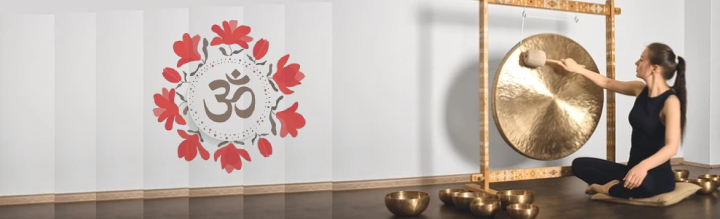
Some mantras are associated with specific qualities, such as compassion, protection or healing. Others, like the sound Om, are considered universal vibrations that reflect the underlying frequency of existence. Chanting Om, for example, creates a gentle resonance in the chest and head, which many people find deeply calming and centring.
Mantras can be spoken aloud, whispered or repeated silently. Even a few minutes of regular practice can have a noticeable effect on mood, focus and emotional balance.
Sound Healing and Therapeutic Instruments
Sound healing is a broad term that includes various practices using instruments and tones to support healing. Common tools include singing bowls, tuning forks, gongs, drums and chimes. These instruments produce rich, layered sounds that interact with the body on a cellular level.
During a sound healing session, participants usually lie down and allow the sounds to wash over them. The vibrations penetrate deeply, helping release tension and stagnant energy. Many people report sensations such as warmth, tingling or a sense of floating, as well as emotional release or deep relaxation.
Singing bowls, often made of metal or crystal, are particularly popular in sound therapy. Each bowl produces a specific tone that may correspond to different energy centres in the body. When played intentionally, these tones can help bring awareness and balance to areas where energy feels blocked.
Drumming has also been used for healing and spiritual connection for centuries. Rhythmic drumming can induce a trance-like state, supporting emotional release and grounding. It connects the listener to the heartbeat and to the rhythms of nature, fostering a sense of belonging and stability.
Music as a Gateway to Healing and Consciousness
Music is one of the most accessible forms of sound healing. It has the ability to influence emotions almost instantly. A single piece of music can evoke memories, inspire hope or bring comfort during difficult times.
From a healing perspective, music works by engaging multiple areas of the brain at once. It can slow the heart rate, regulate breathing and reduce stress hormones. Gentle, harmonious music can support relaxation and sleep, while uplifting music can boost energy and motivation.
Sacred or spiritual music often carries an added dimension of intention. Whether it is choral music, devotional songs or instrumental compositions designed for meditation, this type of music encourages introspection and connection. Listening mindfully, rather than as background noise, allows the music to become a meditative experience.
Creating music can be just as healing as listening to it. Singing, humming or playing an instrument allows emotional expression and helps release stored tension. You do not need technical skill to benefit. The act of making sound with awareness is what matters most.
Elevating Consciousness Through Sound
Sacred sound has long been used as a pathway to expanded states of consciousness. Repetitive rhythms, chanting and harmonic tones help quiet the analytical mind and bring awareness into the present moment. This creates space for insight, intuition and a deeper sense of connection.
When the mind becomes still, people often report feelings of unity, peace and clarity. This elevated state of consciousness can shift how one perceives oneself and the world. Problems may feel less overwhelming, and a sense of meaning or purpose may emerge.
Over time, regular engagement with sacred sound practices can lead to lasting changes in emotional resilience and self-awareness. The effects extend beyond the session itself, influencing how one responds to daily life.
Integrating Sacred Sound into Everyday Life
You do not need formal training or special equipment to benefit from sacred sound. Simple practices can be woven into daily routines. Listening to calming music in the morning, chanting a mantra before bed or taking a few minutes to hum and breathe deeply can make a meaningful difference.
The key is intention. Choosing sounds that nourish rather than overstimulate, and allowing yourself to fully experience them, helps maximise their healing potential. Paying attention to how different sounds affect your body and emotions allows you to develop a personal relationship with sound as a healing tool.
Conclusion
Sacred sound and music offer a gentle yet profound way to support healing and elevate consciousness. By working with vibration, they help restore balance on physical, emotional and energetic levels. Whether through mantras, sound healing instruments or intentional music, sound invites us to slow down, listen and reconnect with ourselves. In a world filled with constant noise, choosing sacred sound becomes an act of self-care, awareness and inner harmony.

Author: Spirit Connection
Welcome to Spirit Connection, your online sanctuary for spiritual growth, enlightenment, and transformation. Founded by me, Glynis Brits - a gifted clairvoyant medium, spiritual teacher, and life coach, my mission is to guide you on a journey of self-discovery, healing, and deeper connection with the spiritual realm. Here at Spirit Connection, I publish daily articles on all things spiritual, esoteric, and metaphysical, offering insights and wisdom to support your awakening. Whether you're looking to connect with your spirit guides, enhance your intuition, or explore the mysteries of the universe, I provide the tools and knowledge to help you navigate your path. Through private readings, spiritual coaching, and personalized guidance, I empower individuals to embrace their divine potential and align with their soul’s purpose. Whether you're seeking clarity, healing, or a deeper understanding of your spiritual journey, I am here to support you every step of the way. Join my community and awaken to the magic of the unseen world. Your journey to enlightenment starts here.