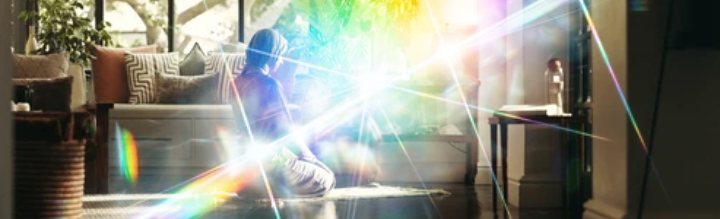
Simple and Meaningful Ways to Design a Sanctuary for Your Spiritual Practice
Creating a sacred space at home does not require an expensive renovation, designer furniture, or shelves filled with spiritual tools. In fact, some of the most peaceful and inspiring sacred spaces are created with very little. What makes a space sacred is not how much money you spend, but the intention, energy, and care you invest in it.
In today’s busy world, having a quiet place where you can reconnect with yourself has become more important than ever. Whether you use your sacred space for meditation, prayer, journalling, yoga, or simply taking a few mindful breaths, it can become a sanctuary that supports your emotional wellbeing and spiritual growth.
The beauty of creating a sacred space is that it can reflect your unique personality and spiritual path. There are no strict rules to follow or expensive items to buy. Instead, it is about designing an environment that helps you feel calm, grounded, and connected.
What Is a Sacred Space?
A sacred space is a dedicated area where you intentionally step away from the demands of everyday life to nurture your mind, body, and spirit. It serves as a reminder to slow down, become present, and reconnect with what truly matters.
For some people, this may be an entire room devoted to meditation or spiritual practice. For others, it may simply be a quiet corner in a bedroom, a comfortable chair by a window, or a small table that holds meaningful objects.
The size of the space is not important. What matters is that it feels peaceful and inviting whenever you enter it.
Why Creating a Sacred Space Matters
Our surroundings influence how we think, feel, and behave. A cluttered and chaotic environment can leave us feeling distracted or overwhelmed, while a calm and organised space encourages relaxation and mental clarity. Having a sacred space offers many benefits, including:
• Encouraging regular meditation or mindfulness.
• Reducing stress and mental overwhelm.
• Supporting emotional healing.
• Creating a sense of stability during difficult times.
• Inspiring gratitude and self-reflection.
• Strengthening your spiritual practice.
Over time, simply entering your sacred space can signal to your mind and body that it is time to relax and become present.
Start with What You Already Have
One of the biggest misconceptions is that creating a sacred space requires buying crystals, statues, incense, or other spiritual accessories. Before purchasing anything new, take a look around your home. You may already have items that hold special meaning, such as:
• A favourite candle.
• A comfortable cushion.
• Family photographs that inspire love.
• A beautiful shell collected during a holiday.
• Stones gathered from nature.
• A meaningful book.
• A small indoor plant.
• A piece of artwork that brings you peace.
Often, these personal items carry far more significance than expensive decorative pieces.
Choose the Right Location
Your sacred space should be somewhere you can relax without constant interruption. This could be:
• A corner of your bedroom.
• A comfortable chair near a window.
• Part of your lounge.
• A covered patio.
• A quiet area in your garden.
• A spare room if one is available.
Natural light is always a bonus, but it is not essential. The most important thing is that the space feels comfortable and safe.
Declutter Before You Decorate
One of the easiest and least expensive ways to change the energy of any room is to remove unnecessary clutter. A cluttered environment often leads to mental distraction, making it more difficult to relax and focus. Spend some time removing items that do not belong in your sacred space. Keep only what serves a purpose or brings you a sense of peace. Remember that simplicity often creates the greatest feeling of calm.
Bring Nature Indoors
Nature has a calming effect on both the mind and body. Adding natural elements to your sacred space does not need to cost anything. You might include:
• Fresh flowers from your garden.
• Small stones collected during walks.
• Pinecones or interesting branches.
• Shells from the beach.
• Indoor plants.
• A bowl of water.
• Natural wood.
These simple touches help create a feeling of connection with the natural world.
Use Soft Lighting
Lighting has a powerful influence on atmosphere. Bright overhead lights can sometimes feel harsh, while softer lighting encourages relaxation. You might use:
• A candle.
• A small lamp with a warm globe.
• Fairy lights.
• Natural daylight.
If you use candles, always place them on a stable surface and never leave them burning unattended.
Include Meaningful Objects
Rather than filling your space with decorations, choose a few items that genuinely inspire you. These may include:
• A journal.
• A spiritual book.
• A meaningful quote.
• Prayer beads.
• A singing bowl.
• A crystal if it resonates with you.
• A family heirloom.
• Artwork that evokes peace.
Every item should have a purpose or personal significance.
Create Comfort
If you want to spend time in your sacred space regularly, comfort is important. Simple additions may include:
• A cushion.
• A yoga mat.
• A comfortable chair.
• A soft blanket.
• A small rug.
There is no need to purchase expensive furniture. Comfort comes from creating a space where you feel relaxed and welcome.
Make It a Technology Free Zone
One of the greatest gifts you can give yourself is a break from constant digital stimulation. Whenever possible, leave your phone, laptop, and other electronic devices outside your sacred space. Without notifications and distractions, it becomes much easier to be fully present.
If you use your phone for guided meditations or relaxing music, consider switching it to silent mode before beginning your practice.
Develop a Daily Ritual
Your sacred space becomes more meaningful through regular use. You might spend:
• Five minutes meditating each morning.
• Ten minutes journalling before bed.
• A few moments practising gratitude.
• Time reading inspirational material.
• Quiet moments simply observing your breath.
Consistency is far more valuable than spending hours in the space occasionally.
Allow Your Space to Evolve
Your spiritual journey will naturally change over time, and your sacred space can grow with you. You may find yourself removing items that no longer feel meaningful and adding others that reflect your current path. There is no need to create the perfect space from the beginning. Allow it to develop naturally as you do.
Common Mistakes to Avoid
When creating a sacred space, it helps to avoid a few common pitfalls.
Comparing Yourself to Others
Social media often showcases beautiful meditation rooms filled with expensive décor. Remember that these images do not define spirituality. Your sacred space should reflect your personal journey rather than someone else’s aesthetic.
Buying Too Much
It is easy to believe that more spiritual tools will create a deeper spiritual experience. In reality, awareness, presence, and intention are far more valuable than possessions. Start small and only add items that genuinely enhance your practice.
Waiting for the Perfect Time
Many people delay creating a sacred space because they believe they need a larger home or more money. The truth is that you can begin today with whatever space and resources you already have. Even one peaceful corner can become a powerful sanctuary.
The True Purpose of a Sacred Space
Ultimately, your sacred space is not about the physical objects within it. It is about creating an environment that reminds you to slow down, breathe deeply, and reconnect with yourself.
It is a place where you can let go of the pressures of daily life and remember what brings you peace, clarity, and purpose.
Whether you spend five minutes or an hour there each day, the consistent practice of returning to your sacred space can have a profound impact on your emotional wellbeing and spiritual development.
Conclusion
Creating a sacred space at home does not have to be expensive or complicated. With a little creativity and intention, you can transform even the smallest corner of your home into a peaceful sanctuary that supports your spiritual journey.
By using items you already own, embracing simplicity, and incorporating natural elements, you can create a space that feels welcoming, calming, and deeply personal. Over time, this space becomes more than just a physical location. It becomes a place where you reconnect with your inner wisdom, find moments of stillness, and nurture your mind, body, and spirit.
Remember that the most sacred spaces are not defined by how they look but by how they make you feel. When created with authenticity and love, your sacred space can become a daily reminder that peace is always available within you.

Author: Spirit Connection
Welcome to Spirit Connection, your online sanctuary for spiritual growth, enlightenment, and transformation. Founded by me, Glynis Brits - a gifted clairvoyant medium, spiritual teacher, and life coach, my mission is to guide you on a journey of self-discovery, healing, and deeper connection with the spiritual realm. Here at Spirit Connection, I publish daily articles on all things spiritual, esoteric, and metaphysical, offering insights and wisdom to support your awakening. Whether you're looking to connect with your spirit guides, enhance your intuition, or explore the mysteries of the universe, I provide the tools and knowledge to help you navigate your path. Through private readings, spiritual coaching, and personalized guidance, I empower individuals to embrace their divine potential and align with their soul’s purpose. Whether you're seeking clarity, healing, or a deeper understanding of your spiritual journey, I am here to support you every step of the way. Join my community and awaken to the magic of the unseen world. Your journey to enlightenment starts here.