The phrase spiritual but not religious has become increasingly common in recent years. More people across different cultures and backgrounds describe themselves this way. It signals a shift in how individuals relate to the sacred. It also reflects changing perspectives on traditional religious institutions. Although the phrase may seem simple, it carries a complex and deeply personal meaning. It explores identity. It explores belief. It explores connection. It invites people to understand spirituality in new and evolving ways.
Being spiritual but not religious often means that a person is seeking meaning outside the structures of organised religion. It does not mean they reject religion entirely. It means they prefer a more personal and flexible approach to spiritual exploration. For many people, this allows for a sense of freedom. It allows for authenticity. It allows for self discovery that is not limited by formal doctrine or ritual.
Understanding the Shift Toward Personal Spirituality
Over time, more people have begun to ask questions about their spiritual needs. They want experiences that feel real. They want teachings that resonate with their inner wisdom. They want practices that support emotional wellbeing. For some, traditional religious institutions still offer this. For others, the structure feels too rigid. It may feel disconnected from their daily lives. It may feel outdated or restrictive.
Being spiritual but not religious is often a response to this disconnect. It does not arise from rejection alone. It often arises from a deep longing for meaningful connection. It comes from a desire to explore the sacred in a way that honours individuality. It reflects an understanding that spirituality can be vast. It can be diverse. It can be shaped by many influences.
People who identify this way often explore meditation, mindfulness, nature based spirituality, energy practices, ancestral connection and philosophical teachings from across the world. They create a spiritual identity based on what feels true to them. This approach celebrates personal experience as a valid and sacred source of knowledge.
The Core Characteristics of Being Spiritual but Not Religious
Several features often appear in the lives of those who identify as spiritual but not religious. One of the central characteristics is personal interpretation. Individuals rely on inner guidance rather than external authority. They explore teachings from many traditions and choose what aligns with their intuition.
Another characteristic is flexibility. The spiritual but not religious path allows people to change and evolve. A person may practise meditation now. They may later be drawn to ritual, ancestral reverence or creative expression. They may blend influences from various traditions. This flexibility allows spirituality to adapt to life circumstances rather than expecting people to fit into a fixed system.
Connection to nature also plays a strong role. Many people find that spiritual awareness deepens through time spent in natural spaces. Nature becomes a teacher. It becomes a source of healing. It becomes a symbol of the sacred cycle of life.
A further characteristic is a focus on experience rather than doctrine. Instead of emphasising belief, many people emphasise feeling, intuition and transformation. They do not rely solely on texts or formal teachings. They seek direct connection. They look for insight through practice.
Why Some People Step Away from Organised Religion
Understanding why some people describe themselves as spiritual but not religious requires acknowledging the challenges they may have faced in religious environments. Some individuals may have experienced judgement or exclusion. Others may have found that their personal questions were not welcomed. For some, the rituals or doctrines of their tradition no longer aligned with their values.
There are also those who admire religious teachings but feel unsure about belonging to a particular institution. They still respect the wisdom within sacred texts. They still appreciate the stories and the history. They still recognise the value in community. However, they prefer to explore these teachings in a more personal way.
It is important to note that stepping away from organised religion does not always come from conflict. Sometimes people simply outgrow a structure. They move towards a broader understanding of spirituality. They begin to explore universal principles such as compassion, unity, consciousness and healing. Their heart expands to include influences from many sources.
Religion and Spirituality Are Not Opposites
While the phrase spiritual but not religious suggests a distinction, it is not accurate to think of religion and spirituality as opposites. In truth, they often overlap in meaningful ways. Both invite people to connect with something greater than themselves. Both encourage reflection. Both inspire moral growth. Both offer guidance for living with purpose and integrity.
Religion can be deeply spiritual when approached with openness. Many religious traditions contain rich mystical teachings that emphasise inner awakening. They carry centuries of wisdom. They offer community support. They preserve rituals that connect people to the sacred.
Spirituality can also draw from religion without becoming religious in the formal sense. A person may read sacred texts for inspiration. They may attend ceremonies for connection. They may draw on ancient prayers or chants. They may honour cultural practices from their heritage. This shows that the boundaries between the two are fluid.
Religion provides structure. Spirituality offers freedom. When the two work together, they create a balanced and holistic approach. They allow people to ground themselves while also expanding their awareness.
Areas of Overlap Between Religion and Spirituality
There are several areas where the two domains naturally intersect. One of the most important is the search for meaning. Both religious and spiritual individuals seek to understand their purpose. They ask questions about life, death and the nature of the soul.
Another area of overlap is the pursuit of ethical living. Whether through religious commandments or spiritual principles, people are encouraged to act with kindness, respect and compassion. They are taught to consider how their actions affect others.
Community is another shared space. Religious institutions offer formal community. Spiritual groups offer informal community. In both cases, people gather to learn, share and support one another.
A final area of overlap is healing. Both religion and spirituality offer practices that comfort the heart. They provide rituals. They offer guidance during difficult times. They help people make sense of suffering. They offer hope.
The Rising Need for Inclusive Spiritual Identity
The increasing number of people who identify as spiritual but not religious reflects a broader desire for inclusivity. Many people do not want to choose between traditions. They want a spiritual identity that honours their heritage while allowing space for exploration. They want freedom without disconnecting from their roots.
This evolving identity is not a rejection of religion. It is an expansion of spirituality. It recognises that wisdom is widespread. It understands that the sacred can be experienced in many ways. It celebrates diversity in belief and practice.
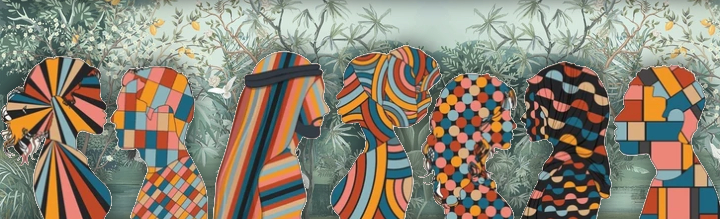
This need for inclusivity is especially strong in multicultural societies. People live alongside neighbours whose traditions may look different from their own. Exposure to this variety encourages curiosity and appreciation. It reminds us that the spiritual journey is universal. It shows that connection is possible even when paths differ.
Moving Forward With Respect and Openness
To understand the phrase spiritual but not religious is to recognise a fundamental truth. People are seeking genuine connection to the sacred. They want meaning that feels alive. They want practices that resonate with their whole being. They want inner truth rather than external pressure.
This path is valid. So is the religious path. Respecting both creates harmony. It creates understanding. It encourages unity rather than division.
As spiritual seekers, we can learn from one another. We can share insights. We can honour our differences. We can celebrate our common search for purpose and connection. The journey becomes richer when we walk with open hearts. It becomes more fulfilling when we recognise that spirituality is both deeply personal and beautifully universal.

Author: Spirit Connection
Welcome to Spirit Connection, your online sanctuary for spiritual growth, enlightenment, and transformation. Founded by me, Glynis Brits - a gifted clairvoyant medium, spiritual teacher, and life coach, my mission is to guide you on a journey of self-discovery, healing, and deeper connection with the spiritual realm. Here at Spirit Connection, I publish daily articles on all things spiritual, esoteric, and metaphysical, offering insights and wisdom to support your awakening. Whether you're looking to connect with your spirit guides, enhance your intuition, or explore the mysteries of the universe, I provide the tools and knowledge to help you navigate your path. Through private readings, spiritual coaching, and personalized guidance, I empower individuals to embrace their divine potential and align with their soul’s purpose. Whether you're seeking clarity, healing, or a deeper understanding of your spiritual journey, I am here to support you every step of the way. Join my community and awaken to the magic of the unseen world. Your journey to enlightenment starts here.