Introduction
Meditation is a timeless practice used to quiet the mind, deepen awareness, and connect with a higher sense of self. One of the most powerful tools for supporting meditation is the use of sacred chants. Chanting has been practised across cultures for thousands of years, from the mantras of Hindu and Buddhist traditions to the prayers and hymns of Indigenous and Western spiritual practices. Sacred chants carry vibrational energy that can calm the mind, harmonise the body, and facilitate deeper spiritual connection.
Unlike silent meditation alone, chanting provides both sound and rhythm to guide focus. This makes it easier for beginners and seasoned practitioners alike to enter a meditative state while reinforcing intention and inner alignment.
Understanding Sacred Chants
Sacred chants are phrases, words, or sounds that hold spiritual significance. In Sanskrit, mantras such as Om, So Hum, or Om Mani Padme Hum are believed to carry vibrational frequencies that resonate with consciousness itself. In other traditions, prayers, psalms, or call-and-response songs perform a similar function.
Chants may be repeated silently or aloud, individually or in a group setting. The repetition of sound helps anchor attention, creating a natural rhythm that quiets mental chatter. Over time, this rhythm fosters a sense of inner stability and deep relaxation.
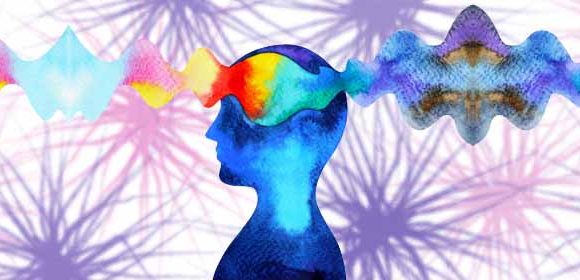
In addition to providing focus, sacred chants are believed to carry vibrational energy that influences both mind and body. Vibrations from chanting can harmonise brain waves, slow breathing, and induce a state of relaxed alertness, allowing deeper meditation and self-reflection.
The Benefits of Using Sacred Chants
- Enhanced Focus and Concentration
Chanting gives the mind a tangible point of attention. When repeated consistently, the chant becomes a focal anchor, reducing distractions and enhancing concentration. Unlike effortful thinking or problem solving, chanting encourages effortless focus, which is ideal for meditation. - Stress Reduction and Emotional Balance
The vibrational quality of sacred chants has calming effects on the nervous system. Practitioners often report reduced anxiety, lower stress levels, and an increased sense of emotional balance. Chanting regulates breath and heart rate, producing a physiological state conducive to relaxation and wellbeing. - Spiritual Connection
Sacred chants are designed to open awareness to a higher presence, inner wisdom, or universal consciousness. Through repeated sound, practitioners experience a sense of unity and connection beyond the ego. Many report feelings of peace, bliss, or expansive awareness during chanting meditation. - Energetic Alignment
In traditions such as yoga and Ayurveda, specific chants correspond to energy centres, or chakras, within the body. Chanting these sounds is believed to clear blockages, harmonise energy flow, and restore balance. For example, Om is often associated with the crown chakra, promoting clarity, insight, and spiritual connection. - Community and Shared Intention
Group chanting offers the added benefit of collective energy. When a group chants together, participants often experience heightened focus, emotional uplift, and a sense of interconnectedness. This collective vibration can amplify the meditative and spiritual effects of the practice.
How to Incorporate Sacred Chants into Meditation
- Choose a Chant
Select a chant that resonates with you personally. Traditional mantras, prayers, or affirmations are all suitable. Beginners may start with simple sounds like Om or short phrases such as So Hum. The key is to choose something meaningful and easy to repeat. - Find a Comfortable Position
Sit comfortably with your spine upright, either on a chair or on a cushion. Closed eyes help reduce visual distractions, but you may also keep them slightly open if preferred. The goal is to remain relaxed yet alert. - Focus on Breath and Sound
Begin by taking a few deep, conscious breaths. Then start chanting, either aloud or silently, in synchrony with your breath. Let the sound resonate naturally without forcing it. Allow the vibration to guide your attention inward. - Maintain Consistency
For maximum benefit, practice chanting meditation regularly. Even ten to twenty minutes a day can produce noticeable calm and clarity. Consistency helps train the mind and deepen the meditative state. - Integrate Reflection
After chanting, spend a few minutes in silent meditation or reflective awareness. Notice any changes in emotional state, energy, or clarity. Journalling about these experiences can enhance self-awareness and reinforce spiritual growth.
Scientific Insights
Research into chanting and meditation supports many of the reported benefits. Studies show that repetitive sound patterns can synchronise brain waves, promote alpha and theta states associated with relaxation, and reduce cortisol levels linked to stress.
Neuroimaging studies suggest that chanting activates brain regions associated with attention, emotion regulation, and self-awareness. Even brief daily chanting sessions have been shown to enhance mood, reduce anxiety, and improve overall wellbeing.
While scientific exploration is ongoing, the convergence of traditional wisdom and modern research highlights the tangible impact of sacred sound on mind, body, and spirit.
Practical Tips for Beginners
- Start small: Begin with five to ten minutes and gradually increase the duration.
- Use a recorded chant: Guided recordings can help maintain rhythm and focus.
- Pair with breath: Synchronising chanting with slow, deep breathing enhances relaxation and energy flow.
- Create a sacred space: Dedicate a quiet, uncluttered space for practice. Lighting a candle or placing a meaningful object nearby can enhance focus and intention.
- Be patient: The effects of chanting meditation accumulate over time. Regular practice deepens awareness and spiritual insight.
Cultural Significance and Global Practice
Chanting is a universal practice found in cultures across the globe. In India, Vedic chants and mantras have been practised for millennia. Tibetan Buddhist monks use mantra repetition as part of mindfulness and compassion cultivation. Indigenous traditions in Africa, the Americas, and elsewhere employ rhythmic chants to connect with nature, ancestors, and spiritual guidance.
Changing is embraced in both traditional and contemporary spiritual communities. Whether through indigenous songs, devotional hymns, or Sanskrit mantras, the vibrational and meditative qualities of chanting support personal and communal spiritual experience.
Conclusion
Sacred chants are a powerful tool for meditation, offering a bridge between sound, mind, and spirit. By incorporating chanting into daily practice, individuals experience enhanced focus, emotional balance, energetic alignment, and spiritual connection.
Beyond personal benefit, chanting fosters collective harmony and shared intention, reinforcing the interconnectedness of human experience. Whether practised individually or in groups, sacred chanting invites presence, mindfulness, and an enduring sense of inner peace.
For anyone seeking to deepen meditation practice, reduce stress, and connect with higher consciousness, sacred chants provide a simple yet profoundly effective path.

Author: Spirit Connection
Welcome to Spirit Connection, your online sanctuary for spiritual growth, enlightenment, and transformation. Founded by me, Glynis Brits - a gifted clairvoyant medium, spiritual teacher, and life coach, my mission is to guide you on a journey of self-discovery, healing, and deeper connection with the spiritual realm. Here at Spirit Connection, I publish daily articles on all things spiritual, esoteric, and metaphysical, offering insights and wisdom to support your awakening. Whether you're looking to connect with your spirit guides, enhance your intuition, or explore the mysteries of the universe, I provide the tools and knowledge to help you navigate your path. Through private readings, spiritual coaching, and personalized guidance, I empower individuals to embrace their divine potential and align with their soul’s purpose. Whether you're seeking clarity, healing, or a deeper understanding of your spiritual journey, I am here to support you every step of the way. Join my community and awaken to the magic of the unseen world. Your journey to enlightenment starts here.