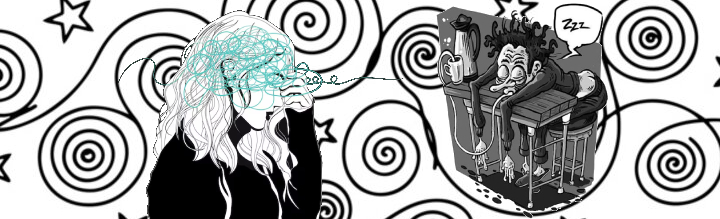
There are times in life when rest does not seem to work. You sleep more, take time off, reduce your workload, and yet something still feels heavy. You tell yourself you should feel better by now. But instead of feeling restored, you feel flat. Uninspired. Disconnected. This experience is often described as burnout. And sometimes, that is exactly what it is. But there are also moments when exhaustion seems to come from somewhere deeper, not simply from doing too much, but from feeling disconnected from meaning, purpose, joy or inner connection.
Some people describe this as soul fatigue. While soul fatigue is not a clinical term and should not replace professional support where needed, it has become a useful way of describing a particular kind of inner depletion that many people recognise. Understanding the difference between burnout and spiritual disconnection can help you respond with greater awareness and care.
What Is Burnout?
Burnout is commonly understood as a state of physical, mental and emotional exhaustion that develops over time through prolonged stress and overwhelm. It often occurs when demands consistently exceed available resources.
Common signs of burnout may include:
• Persistent fatigue
• Difficulty concentrating
• Feeling emotionally depleted
• Reduced motivation
• Irritability
• Feeling detached from work or responsibilities
• Difficulty recovering through normal rest
Burnout is often connected to external pressure:
• Work overload
• Caregiving responsibilities
• Chronic stress
• Lack of boundaries
• Extended periods of high demand
The body and mind become overstretched. Burnout asks for recovery.
What Is Soul Fatigue?
Soul fatigue is different. People who describe soul fatigue often say: “I’m not only tired – I feel disconnected.”
Soul fatigue is less about how much you are doing and more about how deeply connected you feel to yourself and your life. It may feel like:
• Loss of meaning
• Emotional numbness
• Feeling disconnected from joy
• Lack of inspiration
• Questioning your direction
• Feeling present physically but absent internally
• A sense that something essential feels missing
You may continue functioning well externally while internally feeling distant from yourself. Unlike burnout, soul fatigue is often not resolved by rest alone.
Why Soul Fatigue Can Be Difficult to Recognise
Soul fatigue can be confusing because outwardly life may appear fine. You may still:
• Meet deadlines
• Manage responsibilities
• Show up for others
• Continue routines
Yet internally there may be a quiet feeling that life has become mechanical. You may wonder:
• Why does everything feel flat?
• Why am I no longer excited by things I used to enjoy?
• Why do I feel disconnected even when life looks successful?
These questions are often less about capacity and more about meaning.
Burnout and Soul Fatigue Can Overlap
The distinction is useful – but life is rarely this neat. Burnout and soul fatigue often influence each other.
For example: Long-term burnout may eventually create spiritual disconnection. Or spiritual disconnection may lead people to overwork in an attempt to feel fulfilled. Someone experiencing both may feel:
• Exhausted and emotionally detached
• Rested physically but uninspired mentally
• Highly productive but internally disconnected
The goal is not labelling yourself.
It is understanding what type of support may be needed.
Signs You May Be Experiencing Burnout
Ask yourself:
• Do I feel physically exhausted?
• Am I overloaded by responsibilities?
• Does rest improve how I feel?
• Do I feel emotionally stretched?
• Am I carrying too much without recovery?
Burnout often responds to:
• Rest
• Reduced demands
• Boundaries
• Recovery time
• Practical support
Signs You May Be Experiencing Soul Fatigue
Consider these questions:
• Do I feel disconnected from things that once mattered?
• Am I moving through life without feeling present in it?
• Have I lost touch with what brings meaning?
• Am I constantly doing but rarely reflecting?
• Do I feel emotionally quiet rather than overwhelmed?
Soul fatigue often invites a different response. Not necessarily less doing. More reconnecting.
How Modern Life Contributes to Soul Fatigue
Modern life creates many opportunities for achievement, but fewer natural spaces for reflection. Many people spend their days:
• Responding instead of choosing
• Producing instead of creating
• Consuming instead of experiencing
• Staying busy instead of becoming present
Over time, this can create a subtle separation from inner life. External success does not always create internal fulfilment. Soul fatigue sometimes appears as an invitation to reconnect.
Rest Is Important – But It May Not Be Enough
One of the reasons soul fatigue feels frustrating is that traditional recovery strategies may only help partially. You may:
• Sleep more
• Take breaks
• Reduce obligations
…and still feel disconnected.
This is because soul fatigue may require nourishment rather than only recovery. Questions begin to shift from: “How do I get my energy back?” to: “What helps me feel alive again?”
Practices That May Support Reconnection
There is no universal solution, but many people find value in practices that restore inner connection.
1. Spend time in stillness
Not to achieve anything. Simply to notice. Even a few quiet minutes each day can reveal what has been buried beneath constant activity.
2. Reflect on meaning. Ask yourself:
• What currently feels meaningful?
• What feels empty?
• What have I been neglecting?
Meaning often changes across different stages of life.
3. Reconnect with experiences that create presence
Notice moments where you feel:
• Curious
• Grounded
• Creative
• Connected
Small experiences matter.
4. Spend time in nature
Nature often restores perspective. It reminds us that not all growth is visible and not all progress is immediate.
5. Journal without solving
Try writing:
• What am I longing for?
• What feels absent?
• What do I miss about myself?
Allow answers to emerge naturally.
6. Create space for joy without productivity
Soul fatigue sometimes appears when everything becomes useful and nothing becomes meaningful. Do something simply because it feels nourishing.
The Role of Identity
Sometimes soul fatigue develops because we have outgrown an identity. You may realise:
• Your goals have changed
• Your priorities feel different
• Success no longer means what it once did
This can feel unsettling. But it may also signal growth. Not all disconnection means something is wrong. Sometimes it means something new is trying to emerge.
Questions for Reflection
If this topic resonates, spend time with these questions:
• What am I tired of carrying?
• What currently energises me?
• Where do I feel most connected?
• What would I make space for if I trusted myself?
• What part of me wants more attention?
These questions are not tests. They are invitations.
A Final Thought
Burnout and soul fatigue may feel similar on the surface, but they often ask for different forms of care. Burnout reminds us to rest. Soul fatigue reminds us to reconnect. One asks for recovery. The other may ask for reflection, meaning and renewed relationship with yourself. Both deserve attention. And sometimes, the first step is simply recognising that exhaustion is not always about doing too much. Sometimes it is about being too far away from what makes you feel fully present in your own life.

Author: Spirit Connection
Welcome to Spirit Connection, your online sanctuary for spiritual growth, enlightenment, and transformation. Founded by me, Glynis Brits - a gifted clairvoyant medium, spiritual teacher, and life coach, my mission is to guide you on a journey of self-discovery, healing, and deeper connection with the spiritual realm. Here at Spirit Connection, I publish daily articles on all things spiritual, esoteric, and metaphysical, offering insights and wisdom to support your awakening. Whether you're looking to connect with your spirit guides, enhance your intuition, or explore the mysteries of the universe, I provide the tools and knowledge to help you navigate your path. Through private readings, spiritual coaching, and personalized guidance, I empower individuals to embrace their divine potential and align with their soul’s purpose. Whether you're seeking clarity, healing, or a deeper understanding of your spiritual journey, I am here to support you every step of the way. Join my community and awaken to the magic of the unseen world. Your journey to enlightenment starts here.