Exploring Traditional and Modern Perspectives with Discernment
Introduction
Throughout human history, plants have played a significant role in healing, ritual, and spiritual exploration. Many cultures have used plant medicines in ceremonial contexts to support emotional healing, insight, and connection to nature or spirit. In recent years, there has been renewed global interest in plant medicine as a tool for consciousness expansion and personal transformation.
At the same time, this topic requires careful discernment. Plant medicine is not a casual spiritual shortcut, and it is not suitable for everyone. It carries psychological, emotional, and physical considerations that must be respected. A balanced understanding is essential when exploring this field.
What Is Plant Medicine
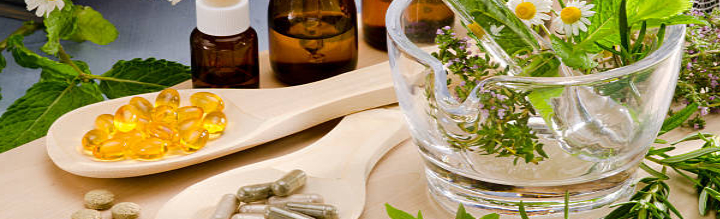
Plant medicine refers to the use of certain plants or plant derived substances in traditional or ceremonial settings to support healing or altered states of consciousness. These practices are often rooted in indigenous traditions where plant medicines are used with intention, guidance, and ritual structure.
In modern contexts, plant medicine is sometimes explored for:
- Emotional healing and trauma processing
- Spiritual insight or expanded awareness
- Psychological exploration
- Personal transformation and self-understanding
However, the experience is highly variable and depends on many factors including setting, intention, mental state, and guidance.
Traditional Perspectives
In many indigenous cultures, plant medicine is not separated from spirituality, community, or healing. It is part of a broader worldview where nature is seen as alive, intelligent, and interconnected with human life.
Ceremonial use is typically guided by experienced practitioners who understand both the physical and spiritual aspects of the medicine. The process often includes preparation, intention setting, and integration afterwards.
In these traditions, plant medicine is treated with deep respect. It is not seen as recreational or experimental, but as a sacred tool that requires responsibility and awareness.
Modern Interest in Plant Medicine
In contemporary society, plant medicine has gained attention in therapeutic and wellness spaces. Some studies have explored its potential role in supporting mental health conditions such as depression, anxiety, and trauma related disorders when used in controlled settings.
At the same time, there is growing public curiosity about its spiritual dimensions. Many people report experiences of expanded awareness, emotional release, or shifts in perspective during guided sessions.
However, modern interest also brings challenges. Without proper guidance or integration, experiences can be confusing or overwhelming.
Consciousness Expansion and Inner Experience
Plant medicine is often associated with altered states of consciousness. These states may include shifts in perception, emotional intensity, and changes in sense of identity.
From a spiritual perspective, these experiences are sometimes interpreted as expanded awareness or access to deeper layers of consciousness. From a psychological perspective, they may reflect changes in brain activity and perception.
Regardless of interpretation, the experience is subjective and deeply personal. It can bring insight, but it can also surface unresolved emotional material.
The Importance of Set and Setting
Two key factors often discussed in plant medicine experiences are set and setting.
Set refers to the mindset, emotional state, and intentions of the individual.
Setting refers to the physical environment and the level of safety and support present during the experience.
Both play a critical role in shaping the outcome. A stable emotional state and safe environment are essential for reducing risk and supporting integration.
Potential Benefits and Insights
Some individuals report meaningful experiences through plant medicine, including:
- Increased emotional awareness
- Insight into personal patterns or behaviours
- Feelings of connection to nature or life
- Release of stored emotional tension
- Shifts in perspective about life challenges
These experiences can feel profound, but they are not guaranteed and should not be viewed as predictable outcomes.
Risks and Considerations
It is equally important to acknowledge the risks involved. Plant medicine is not suitable for everyone and may not be appropriate for individuals with certain mental health conditions or vulnerabilities.
Potential risks include:
- Emotional overwhelm or distress
- Reemergence of traumatic memories
- Anxiety or confusion during or after experiences
- Difficulty integrating insights into daily life
- Physical side effects depending on the substance used
Because of these factors, careful consideration and professional guidance are strongly recommended.
The Role of Integration
Integration refers to the process of making sense of and applying insights gained during a plant medicine experience. Without integration, even meaningful experiences can fade or become confusing over time.
Integration may involve:
- Journalling about the experience
- Reflecting on emotional responses
- Speaking with a therapist or trained integration guide
- Making practical changes in daily life based on insight
Integration is where real transformation takes place. It connects inner experience with outer action.
Discernment in Spiritual Exploration
Discernment is essential when exploring plant medicine or any consciousness expanding practice. Not every experience or interpretation is equally grounded or helpful.
Discernment involves asking:
- Is this experience supported by safe and ethical practice
- Does this align with my current emotional stability and wellbeing
- Am I using this as a tool for growth or as an escape from reality
- Do I have proper support for integration afterwards
Spiritual exploration is most beneficial when it is balanced, intentional, and grounded in self-awareness.
Avoiding Spiritual Escapism
One of the risks in working with altered states of consciousness is the tendency to seek experiences as a way of avoiding everyday challenges. This is sometimes referred to as spiritual escapism.
While expanded states can offer insight, they do not replace the need for practical action, emotional processing, and personal responsibility. True growth happens when insight is integrated into real life behaviour.
Traditional Wisdom and Respect
It is important to acknowledge that many plant medicines come from indigenous traditions with deep cultural and spiritual significance. These practices are not simply tools for modern experimentation. They are part of living traditions that deserve respect and ethical consideration.
Approaching plant medicine with humility and awareness of its origins is an important part of responsible engagement.
Conclusion
Plant medicine and consciousness expansion remain complex and deeply personal topics. While some individuals report meaningful insights and emotional healing, these experiences are not universal and must be approached with care, discernment, and respect.
True growth is not dependent on any single method or experience. It comes from integration, awareness, and consistent engagement with one’s inner and outer life.
When approached responsibly, plant medicine can be part of a broader journey of self-discovery. However, it is essential to prioritise safety, grounding, and personal wellbeing above curiosity or trend driven exploration.
Ultimately, consciousness expansion is not only about extraordinary experiences. It is also about how you live, relate, and grow in everyday awareness.

Author: Spirit Connection
Welcome to Spirit Connection, your online sanctuary for spiritual growth, enlightenment, and transformation. Founded by me, Glynis Brits - a gifted clairvoyant medium, spiritual teacher, and life coach, my mission is to guide you on a journey of self-discovery, healing, and deeper connection with the spiritual realm. Here at Spirit Connection, I publish daily articles on all things spiritual, esoteric, and metaphysical, offering insights and wisdom to support your awakening. Whether you're looking to connect with your spirit guides, enhance your intuition, or explore the mysteries of the universe, I provide the tools and knowledge to help you navigate your path. Through private readings, spiritual coaching, and personalized guidance, I empower individuals to embrace their divine potential and align with their soul’s purpose. Whether you're seeking clarity, healing, or a deeper understanding of your spiritual journey, I am here to support you every step of the way. Join my community and awaken to the magic of the unseen world. Your journey to enlightenment starts here.