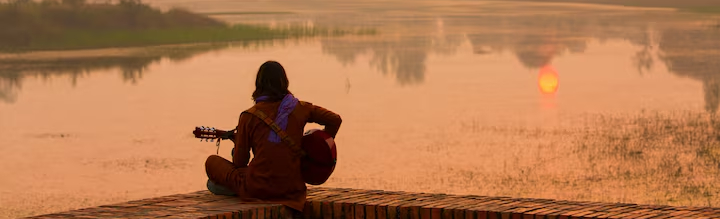
Modern life is filled with sound. Notifications. Conversations. Streaming content. Background noise. Information arriving faster than we can process it. Even moments that once held quiet are often filled automatically. With music, scrolling, podcasts or distraction.
Silence has become unusual. And because it has become unusual, it can also feel uncomfortable. Many people discover this quickly: sit in complete silence for five minutes and the mind often becomes louder than expected.
Yet across cultures and spiritual traditions, silence has long been treated not as emptiness, but as a practice. Not something missing.
Something present. Sacred silence is not about withdrawing from life or avoiding responsibility. It is about creating intentional space where awareness can emerge without constant interruption. In a noisy world, silence may be one of the most overlooked forms of spiritual nourishment.
What Is Sacred Silence?
Sacred silence is different from simply being quiet. It is intentional. It involves creating moments where external input reduces enough for inner experience to become noticeable. Sacred silence may happen through:
• Sitting quietly without distraction
• Walking in silence
• Spending time in nature
• Beginning the day without technology
• Reflective pauses between activities
• Creating moments without entertainment or stimulation
The purpose is not to force insight. It is to become available to experience.
Why Silence Feels Difficult
Many people assume silence should feel peaceful immediately. Often, the opposite happens. When external noise disappears, internal noise becomes more noticeable. You may suddenly become aware of:
• Thoughts you have been avoiding
• Emotional tension
• Restlessness
• Mental busyness
• Unfinished questions
This can feel uncomfortable. But discomfort does not mean silence is failing. It often means awareness is increasing.
Silence does not create inner noise. It reveals what was already present.
The Relationship Between Silence and Attention
Modern life competes for attention constantly. As a result, many people spend long periods reacting rather than noticing. Silence interrupts this pattern. Without external input, attention begins returning inward. Questions become visible:
• How do I actually feel?
• What have I been ignoring?
• What matters to me right now?
• What am I carrying mentally?
Silence slows automatic movement. Not to stop life, but to become more conscious within it.
Why Spiritual Traditions Value Silence
Silence appears across many contemplative and spiritual traditions. Not because silence itself is magical.
But because quiet environments support qualities such as:
• Presence
• Reflection
• Observation
• Patience
• Awareness
• Inner listening
Historically, silence was often viewed as a doorway rather than a destination. A space where deeper understanding could emerge. Importantly, sacred silence is not necessarily about receiving answers. Sometimes it simply helps us notice the right questions.
What We Discover When We Stop Filling Every Moment
Many people use stimulation unconsciously. Not because they are doing anything wrong but because distraction has become normal. Silence can reveal habits such as:
• Constant productivity
• Emotional avoidance
• Fear of stillness
• Difficulty being present
• Dependence on external validation
Again, this is not something to judge. Awareness creates choice. Once something becomes visible, you can decide how you want to relate to it.
Silence and Emotional Processing
One of the quieter gifts of silence is emotional clarity. When life moves quickly, emotions often remain unprocessed.
Not because we are avoiding them intentionally. Simply because there is no space. Silence creates room for emotions to surface naturally. You may notice:
• Relief
• Grief
• Gratitude
• Longing
• Calm
• Unexpected insight
This does not mean silence is always easy. But emotions often become easier to understand when they are given space.
The Difference Between Loneliness and Solitude
People sometimes avoid silence because they associate it with isolation. But silence and loneliness are not the same thing. Loneliness often feels disconnected. Sacred silence can feel connected. Solitude creates space to be with yourself without needing to perform, produce or respond. Many people discover that spending intentional time alone strengthens, not weakens, their connection with others.
Silence and Creativity
There is another interesting effect of silence. Ideas often appear when we stop forcing them. Have you noticed that solutions sometimes arrive:
• During a walk
• In the shower
• While resting
• When looking out a window
This happens because the mind benefits from spaciousness. Creativity is not only generated through effort.
It often appears through openness. Silence gives thoughts room to settle and reorganise.
Why We Fear Empty Space
Silence can feel unfamiliar because it removes distraction. Without stimulation, identity becomes quieter.
Questions emerge. You may notice:
• Who am I when I am not busy?
• What am I moving towards?
• What am I avoiding?
These questions can feel vulnerable. But they can also feel freeing. Sacred silence reminds us that we do not always need to fill every moment to make it meaningful.
Simple Ways to Practise Sacred Silence
You do not need long retreats or perfect conditions. Small moments matter.
1. Begin the morning quietly
Spend the first few minutes of the day without checking your phone. Notice your thoughts before receiving everyone else’s.
2. Take silent walks
Walk without music or podcasts. Observe your surroundings. Notice your breathing.
3. Create transition moments
Pause between activities.Even thirty seconds of stillness changes attention.
4. Sit with a question
Instead of searching immediately for answers, ask a question and allow quiet reflection.
5. Spend time in nature
Natural environments often make silence feel more accessible.
A Reflection Practice
Try this simple exercise. Set aside ten minutes. Sit comfortably. No phone. No task. No expectation. Ask yourself:
• What feels loud inside me today?
• What needs attention?
• What feels quietly true right now?
Then simply sit. Notice. You do not need profound insight. Presence is enough.
Silence Does Not Need to Be Perfect
Many people believe silence means having an empty mind. It does not. Thoughts will come. Distraction will happen.
The practice is not eliminating thoughts. It is noticing them without immediately following them. Sacred silence is not performance. It is relationship. A relationship with your own awareness.
Reclaiming Quiet in a Noisy World
Silence is becoming increasingly rare. Which may be exactly why it matters. Not because sound is bad. Not because modern life is wrong. But because without quiet, it becomes difficult to hear ourselves clearly. Silence creates room.
Room for reflection. Room for honesty. Room for perspective. Room for presence.
A Final Thought
Sacred silence is not about escaping life. It is about becoming available to it. When we stop filling every moment, something surprising often happens. We begin to notice. Ourselves. Our thoughts. Our emotions. Our values. The things that matter. Silence may not always bring answers. But it often brings something equally valuable: the opportunity to listen.

Author: Spirit Connection
Welcome to Spirit Connection, your online sanctuary for spiritual growth, enlightenment, and transformation. Founded by me, Glynis Brits - a gifted clairvoyant medium, spiritual teacher, and life coach, my mission is to guide you on a journey of self-discovery, healing, and deeper connection with the spiritual realm. Here at Spirit Connection, I publish daily articles on all things spiritual, esoteric, and metaphysical, offering insights and wisdom to support your awakening. Whether you're looking to connect with your spirit guides, enhance your intuition, or explore the mysteries of the universe, I provide the tools and knowledge to help you navigate your path. Through private readings, spiritual coaching, and personalized guidance, I empower individuals to embrace their divine potential and align with their soul’s purpose. Whether you're seeking clarity, healing, or a deeper understanding of your spiritual journey, I am here to support you every step of the way. Join my community and awaken to the magic of the unseen world. Your journey to enlightenment starts here.