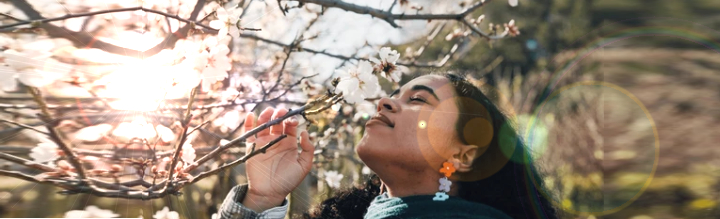
How Gratitude Rewires the Brain and Elevates Consciousness
Introduction
Gratitude is often spoken about in spiritual teachings as a high vibration state or a pathway to inner peace. While this language is meaningful on a personal level, modern science also offers insight into why gratitude has such a powerful effect on human wellbeing.
Research in neuroscience and psychology shows that gratitude can influence brain function, emotional regulation, and even physical health. When combined with spiritual awareness, gratitude becomes more than a positive emotion. It becomes a transformative practice that reshapes perception and supports deeper states of consciousness.
Understanding Gratitude Beyond Positivity
Gratitude is more than simply saying thank you or focusing on positive aspects of life. It is a conscious awareness of appreciation for what is present, even within difficulty or uncertainty.
Unlike forced positivity, gratitude does not ignore challenges. Instead, it acknowledges life as a whole experience and chooses to focus on meaning, connection, and value within it.
This shift in perception is what makes gratitude a powerful tool for both psychological and spiritual growth.
How Gratitude Affects the Brain
Neuroscience research suggests that gratitude activates regions of the brain associated with emotional processing, reward, and social bonding. When you experience gratitude, the brain releases neurotransmitters such as dopamine and serotonin, which are linked to feelings of wellbeing and stability.
Regular gratitude practice has been associated with:
- Increased activity in areas related to emotional regulation
- Strengthening of neural pathways linked to positive thinking patterns
- Reduced activity in regions associated with stress and fear responses
In simple terms, the brain begins to adapt to a more balanced and resilient emotional state over time.
Neuroplasticity and Rewiring Thought Patterns
One of the most important scientific concepts related to gratitude is neuroplasticity. This refers to the brain’s ability to change and reorganise itself based on experience and repeated behaviour.
When gratitude is practised consistently, it reinforces neural pathways associated with appreciation and awareness. This gradually weakens habitual patterns of negativity, stress, or scarcity thinking.
Over time, gratitude becomes a default way of perceiving life rather than a forced practice.
The Emotional Impact of Gratitude
Gratitude has a direct influence on emotional wellbeing. It helps regulate emotional responses and supports a more balanced internal state.
Some emotional benefits include:
- Reduced anxiety and stress levels
- Increased emotional resilience
- Greater sense of contentment
- Improved ability to cope with challenges
- Enhanced feelings of connection to others
These effects are not temporary. With consistent practice, they become part of a more stable emotional foundation.
Gratitude and the Nervous System
The nervous system plays a central role in how gratitude is experienced. When the body is in a state of stress or threat, it is difficult to access feelings of appreciation.
Gratitude helps activate the parasympathetic nervous system, which is responsible for rest, recovery, and relaxation. This shift allows the body to move out of survival mode and into a calmer, more balanced state.
From this regulated state, clarity, compassion, and awareness naturally increase.
Gratitude as a Spiritual Practice
Within spiritual traditions, gratitude is often seen as a form of awareness rather than just an emotion. It is a way of recognising the interconnectedness of life and acknowledging the presence of meaning in everyday experiences.
From this perspective, gratitude supports spiritual growth by:
- Expanding awareness of the present moment
- Deepening appreciation for life experiences
- Reducing attachment to constant wanting or dissatisfaction
- Supporting a sense of unity and connection
Gratitude shifts attention from lack to presence.
The Role of Perspective in Gratitude
Gratitude is closely linked to perspective. Two people can experience the same situation and interpret it differently based on their internal state.
Practising gratitude does not mean denying difficulty. It means widening perspective to include what is still meaningful or supportive within that experience.
This expanded perspective supports emotional balance and spiritual maturity.
Simple Gratitude Practices
Gratitude does not need to be complex to be effective. Small, consistent practices often have the greatest impact.
Some simple methods include:
- Writing down a few things you are grateful for each day
- Reflecting on positive moments before sleep
- Mentally acknowledging small daily experiences such as food, nature, or connection
- Expressing appreciation to others directly
- Taking a moment of silence to recognise what is present
These practices help train the mind to notice and value positive aspects of life.
Gratitude in Difficult Times
One of the most powerful aspects of gratitude is its ability to support resilience during challenging periods. This does not mean forcing positivity or ignoring pain. Instead, it involves finding small anchors of stability within difficulty.
For example, even during stressful times, there may still be:
- Supportive relationships
- Moments of rest or relief
- Lessons or insights emerging from experience
- Basic needs being met
Gratitude in this context becomes a tool for emotional grounding rather than denial.
The Connection Between Gratitude and Consciousness
From a spiritual perspective, consciousness refers to awareness itself. Gratitude supports expanded consciousness by shifting attention away from limitation and towards presence and appreciation.
When gratitude becomes a consistent state of awareness, perception begins to change. Life is experienced with more depth, clarity, and connection.
This does not remove challenges, but it changes how they are perceived and integrated.
Common Misunderstandings About Gratitude
One common misunderstanding is that gratitude means ignoring negative emotions. In reality, gratitude and emotional honesty can coexist. It is possible to feel sadness, frustration, or grief while still recognising aspects of life that are supportive.
Another misconception is that gratitude should be constant. Like all emotional states, gratitude naturally fluctuates. The goal is not perfection, but awareness and consistency over time.
Integrating Gratitude Into Daily Life
Gratitude becomes most powerful when it is integrated into everyday routines rather than treated as an occasional exercise.
This may include:
- Starting or ending the day with reflection
- Pausing during daily activities to notice positive aspects
- Practising gratitude in relationships and communication
- Using gratitude as a grounding tool during stress
Over time, these small practices reshape overall perception.
Conclusion
Gratitude is both a scientifically supported psychological tool and a deeply meaningful spiritual practice. It influences brain function, emotional regulation, and overall perception of life.
Through consistent practice, gratitude helps rewire the brain, calm the nervous system, and support a more balanced emotional state. From a spiritual perspective, it expands awareness and deepens connection to the present moment.
Ultimately, gratitude is not about ignoring challenges. It is about seeing life more fully and recognising value even within complexity. When practised regularly, it becomes a way of being that supports both inner peace and conscious growth.

Author: Spirit Connection
Welcome to Spirit Connection, your online sanctuary for spiritual growth, enlightenment, and transformation. Founded by me, Glynis Brits - a gifted clairvoyant medium, spiritual teacher, and life coach, my mission is to guide you on a journey of self-discovery, healing, and deeper connection with the spiritual realm. Here at Spirit Connection, I publish daily articles on all things spiritual, esoteric, and metaphysical, offering insights and wisdom to support your awakening. Whether you're looking to connect with your spirit guides, enhance your intuition, or explore the mysteries of the universe, I provide the tools and knowledge to help you navigate your path. Through private readings, spiritual coaching, and personalized guidance, I empower individuals to embrace their divine potential and align with their soul’s purpose. Whether you're seeking clarity, healing, or a deeper understanding of your spiritual journey, I am here to support you every step of the way. Join my community and awaken to the magic of the unseen world. Your journey to enlightenment starts here.