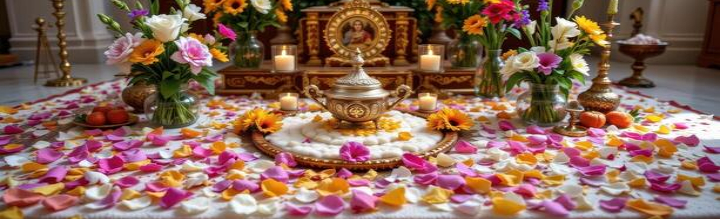
Designing Environments That Support Peace, Clarity, and Connection
Introduction
Your environment has a subtle but powerful influence on your emotional state, mental clarity, and spiritual wellbeing. The spaces you live in either support calmness and presence or contribute to distraction and overwhelm.
Creating a sacred space at home is about intentionally designing an environment that supports peace, clarity, and inner connection. It does not require luxury or perfection. Instead, it is about mindfulness, intention, and alignment with how you want to feel and live.
A sacred space becomes a personal sanctuary where you can rest, reflect, and reconnect with yourself.
What Is a Sacred Space
A sacred space is any area that is intentionally designed to support stillness, awareness, and emotional balance. It can be a full room, a small corner, or even a simple surface in your home.
What makes it sacred is not its size or appearance, but the intention behind it. It is a space where you consciously step away from distraction and return to presence.
In this space, you may meditate, journal, reflect, or simply sit in silence. It becomes a grounding point within your daily life.
Why Sacred Space Matters
In modern life, attention is constantly pulled in multiple directions. Work, technology, responsibilities, and social interaction can create mental and emotional overload.
A sacred space provides balance by offering:
- A place to slow down and reset
- A break from external stimulation
- Support for emotional regulation
- A connection point for spiritual practice
- A reminder of intentional living
Over time, your nervous system begins to associate this space with calm and safety.
The Energy of Your Environment
From a practical and psychological perspective, your environment influences your mood and behaviour. Cluttered or chaotic spaces can contribute to stress and distraction, while organised and intentional spaces support clarity and focus.
Even small changes in your environment can shift how you feel internally. This is why sacred space design focuses on simplicity, intention, and harmony rather than excess or complexity.
Choosing the Right Space
A sacred space does not need to be large or separate from the rest of your home. What matters most is consistency and intention.
When choosing a space, consider:
- A quiet corner with minimal disruption
- A space with natural light if possible
- An area that feels comfortable and calming
- A place you can return to regularly
The key is to choose a space that feels naturally supportive rather than forced.
Clearing and Preparing the Space
Before creating a sacred space, it is helpful to clear it physically and energetically. This process symbolises a fresh start and creates room for intention.
This may include:
- Removing unnecessary clutter
- Cleaning the area thoroughly
- Keeping only items that feel meaningful or calming
- Allowing open space rather than overcrowding
A clear space supports a clear mind.
Setting Intention
Intention is the foundation of sacred space. It defines the purpose and energy of the area. Without intention, a space remains just another part of the home.
You might set an intention such as:
- This is a space for peace and reflection
- This area supports my emotional balance
- I use this space to reconnect with myself
- This is a place of clarity and stillness
Intentions do not need to be complex. They simply need to be clear and meaningful to you.
Elements That Support Sacred Space
While simplicity is important, certain elements can help create a calming atmosphere. These should be chosen based on personal resonance rather than rules or expectations.
Some common elements include:
- Natural objects such as plants, stones, or wood to bring grounding energy
- Soft lighting such as candles or warm lamps to create calm atmosphere
- Comfortable seating such as cushions or a chair that supports relaxation
- Meaningful items such as personal symbols, artwork, or objects with emotional significance
- Quiet sound or silence to reduce distraction
The goal is to create an environment that feels peaceful and supportive to you personally.
Simplicity Over Excess
A sacred space does not need to be elaborate. In fact, simplicity often enhances its effectiveness. Too many objects or decorations can create visual and mental distraction.
Minimalism helps the mind settle. When the space is calm and uncluttered, it becomes easier to focus inward and relax.
Simplicity also makes the space easier to maintain, which supports consistency.
Daily Use of Sacred Space
The benefits of sacred space come from regular use. It is not just about creating the space, but about returning to it consistently.
You might use your sacred space for:
- Meditation or breathwork
- Journalling or reflection
- Quiet sitting or rest
- Reading spiritual or inspirational material
- Simply being present without distraction
Even a few minutes a day can help reinforce a sense of calm and grounding.
Ritual and Routine
Creating simple rituals can deepen your connection to your sacred space. Ritual does not need to be formal or complex. It is about consistency and intention.
Examples include:
- Lighting a candle before sitting in the space
- Taking a few deep breaths upon entering
- Setting an intention before meditation
- Ending your time with gratitude or reflection
These small actions signal to the mind that this is a space of presence and awareness.
Emotional Benefits of Sacred Space
Over time, a sacred space can support emotional wellbeing in several ways.
These may include:
- Reduced stress and anxiety
- Improved ability to regulate emotions
- Greater clarity of thought
- Increased sense of inner stability
- Enhanced self-awareness
The space becomes a supportive anchor during emotionally challenging times.
Adapting Sacred Space to Your Life
Sacred space is flexible. It can evolve as your life and needs change. It does not need to remain fixed or perfect.
You may adjust it based on:
- Changes in living situation
- Personal preferences over time
- Different stages of emotional or spiritual growth
- Seasonal or environmental shifts
What matters most is that it continues to feel meaningful and supportive.
Common Misunderstandings
One common misconception is that sacred space must look a certain way. In reality, there is no correct design. What feels sacred to one person may feel different to another.
Another misunderstanding is that sacred space must be used for formal spiritual practice only. In truth, it can simply be a place for rest and presence.
The essence of sacred space is intention, not appearance.
Conclusion
Creating a sacred space at home is a simple yet powerful way to support peace, clarity, and emotional balance. It offers a dedicated environment for stillness in a world that is often busy and overstimulated.
By designing a space with intention, simplicity, and personal meaning, you create a physical reflection of inner calm. Over time, this space becomes a supportive anchor for your emotional and spiritual wellbeing.
Ultimately, sacred space is not only about the environment around you. It is about cultivating presence within yourself, wherever you are.

Author: Spirit Connection
Welcome to Spirit Connection, your online sanctuary for spiritual growth, enlightenment, and transformation. Founded by me, Glynis Brits - a gifted clairvoyant medium, spiritual teacher, and life coach, my mission is to guide you on a journey of self-discovery, healing, and deeper connection with the spiritual realm. Here at Spirit Connection, I publish daily articles on all things spiritual, esoteric, and metaphysical, offering insights and wisdom to support your awakening. Whether you're looking to connect with your spirit guides, enhance your intuition, or explore the mysteries of the universe, I provide the tools and knowledge to help you navigate your path. Through private readings, spiritual coaching, and personalized guidance, I empower individuals to embrace their divine potential and align with their soul’s purpose. Whether you're seeking clarity, healing, or a deeper understanding of your spiritual journey, I am here to support you every step of the way. Join my community and awaken to the magic of the unseen world. Your journey to enlightenment starts here.