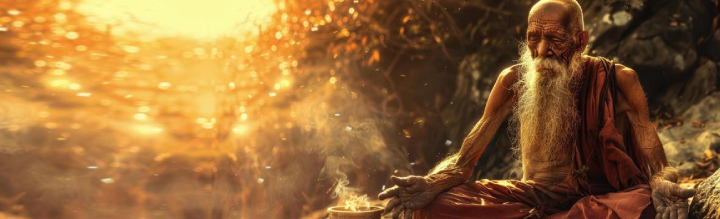
In an age defined by rapid technology, constant information and fast-paced living, something interesting is happening across the world: more people are turning backwards to move forwards.
Ancient wisdom practices, once considered old-fashioned or belonging only to specific cultural or spiritual traditions are experiencing renewed interest. Practices such as meditation, breathwork, herbal knowledge, energy healing, ritual, astrology, and earth-based living are being revisited by people seeking balance in modern life.
This is not simply nostalgia. It reflects a deeper search for meaning, grounding and connection in a world that often feels overstimulated and disconnected.
What Are Ancient Wisdom Practices?
Ancient wisdom practices refer to traditions, teachings and ways of living that have been passed down through generations, often rooted in spiritual, philosophical or nature-based understanding. These may include:
• Meditation and mindfulness practices
• Breathwork and energy awareness
• Herbal and natural healing traditions
• Astrology and cyclical living
• Rituals connected to nature and seasons
• Indigenous spiritual teachings
• Traditional body-mind practices such as yoga or tai chi
• Ancestral guidance and storytelling traditions
While these practices come from diverse cultures and histories, they share a common thread: an emphasis on harmony between mind, body, spirit and nature.
Why Modern Life Is Driving the Return
The renewed interest in ancient wisdom is not happening in isolation. It is emerging in response to how modern life feels. Many people experience:
• Constant digital stimulation
• High levels of stress and burnout
• Disconnection from nature
• Over-reliance on intellectual thinking
• Fast-paced lifestyles with little rest
• A sense of emotional or spiritual emptiness
Despite technological progress, something essential can feel missing. Ancient practices often offer what modern systems struggle to provide: slowness, presence, reflection and embodied awareness. A Search for Balance, Not
Rejection of Modern Life
Returning to ancient wisdom does not necessarily mean rejecting modern life or technology. Instead, many people are seeking balance. They are asking:
• How can I live in the modern world without losing myself?
• How do I reconnect with my body and intuition?
• What helps me feel grounded amidst constant change?
Ancient practices often provide simple but powerful tools that support these questions. They encourage people to slow down, observe internal states and reconnect with natural rhythms.
The Appeal of Simplicity in a Complex World
One of the reasons ancient wisdom resonates today is its simplicity. Many traditional practices do not require complex systems or external validation. Instead, they focus on direct experience. For example:
• Breathwork uses something always available: the breath
• Meditation requires only awareness
• Nature-based practices rely on observation of natural cycles
• Journalling uses reflection rather than external input
In a world filled with constant complexity, simplicity becomes grounding.
Reconnecting With Nature and Cycles
Ancient wisdom traditions often emphasise living in alignment with natural rhythms. This includes awareness of:
• Seasonal changes
• Lunar cycles
• Daily rhythms of rest and activity
• The connection between human wellbeing and the environment
Modern lifestyles can easily disconnect people from these cycles. Artificial lighting, constant schedules and indoor living reduce awareness of natural timing. As a result, many people feel out of sync with themselves. Returning to cyclical awareness can create a stronger sense of grounding and flow.
The Role of Intuition and Inner Knowing
Ancient wisdom often places value on intuition. Something that modern life can unintentionally overshadow. With constant external input, it can become difficult to hear internal signals clearly. Practices such as meditation, silence, ritual and reflection help people reconnect with inner awareness. Many individuals describe this as:
• Feeling more aligned with decisions
• Experiencing clearer emotional understanding
• Trusting themselves more deeply
• Becoming less dependent on external validation
This return to inner knowing is a key part of the wider movement.
Healing Beyond the Physical
Modern systems often separate mental, physical and emotional wellbeing. Ancient wisdom traditions tend to view these as interconnected. For example:
• Emotional states are reflected in the body
• Physical practices influence mental clarity
• Spiritual awareness affects emotional balance
This holistic view is one reason many people are exploring older practices again. They are looking for approaches that consider the whole person, not just isolated symptoms.
Ritual as a Way of Creating Meaning
Ritual is another ancient concept experiencing renewed interest. Ritual does not need to be religious or complex.
It can be simple intentional actions such as:
• Morning reflection
• Lighting a candle with intention
• Writing in a journal
• Taking mindful walks
• Creating space for gratitude
Rituals help mark transitions and bring meaning to everyday moments. In fast-moving lives, ritual creates pause.
The Rise of Spiritual Curiosity
More people today are openly exploring spirituality in personal ways, often outside traditional structures. This includes curiosity about:
• Energy practices
• Meditation traditions
• Ancestral connections
• Symbolic systems like astrology or tarot
• Conscious living practices
This interest is not necessarily about belief systems. It is often about experience. What helps someone feel more connected, grounded and aware.
What Ancient Wisdom Offers Modern Minds
Ancient practices do not provide instant solutions or fixed answers. Instead, they offer frameworks for awareness.
They invite questions such as:
• What am I feeling right now?
• How am I living in relation to myself and others?
• Where am I out of balance?
• What needs more attention in my life?
These questions support self-reflection rather than external dependence.
Avoiding Romanticisation of the Past
It is important to recognise that not all ancient systems were perfect or universally applicable. Some practices have been misinterpreted, commercialised or removed from their original cultural context. A respectful approach involves:
• Acknowledging origins
• Avoiding oversimplification
• Using practices thoughtfully and ethically
• Focusing on personal integration rather than idealisation
The goal is not to recreate the past, but to learn from it in meaningful ways.
Integrating Ancient Wisdom Into Modern Life
Many people are not leaving modern life behind. They are blending approaches. Examples include:
• Using meditation to support work-life balance
• Practising breathwork during stressful moments
• Incorporating journalling into daily routines
• Spending more intentional time in nature
• Creating mindful pauses in digital environments
These practices become tools for navigating modern complexity with greater awareness.
A Final Thought
The return to ancient wisdom practices is not a trend of looking backwards. It is a response to a deeper human need: connection, presence and meaning. In a world that often moves quickly and demands constant attention, these practices invite something different. They encourage slowing down. Listening inward. Reconnecting with nature, rhythm and self-awareness. Ancient wisdom does not ask us to abandon modern life. It asks us to engage with it more consciously. And in that space of awareness, many people are rediscovering something they did not realise they had lost: a sense of inner balance and grounded presence.

Author: Spirit Connection
Welcome to Spirit Connection, your online sanctuary for spiritual growth, enlightenment, and transformation. Founded by me, Glynis Brits - a gifted clairvoyant medium, spiritual teacher, and life coach, my mission is to guide you on a journey of self-discovery, healing, and deeper connection with the spiritual realm. Here at Spirit Connection, I publish daily articles on all things spiritual, esoteric, and metaphysical, offering insights and wisdom to support your awakening. Whether you're looking to connect with your spirit guides, enhance your intuition, or explore the mysteries of the universe, I provide the tools and knowledge to help you navigate your path. Through private readings, spiritual coaching, and personalized guidance, I empower individuals to embrace their divine potential and align with their soul’s purpose. Whether you're seeking clarity, healing, or a deeper understanding of your spiritual journey, I am here to support you every step of the way. Join my community and awaken to the magic of the unseen world. Your journey to enlightenment starts here.