How awareness of the three gunas can help cultivate balance, clarity, and personal growth
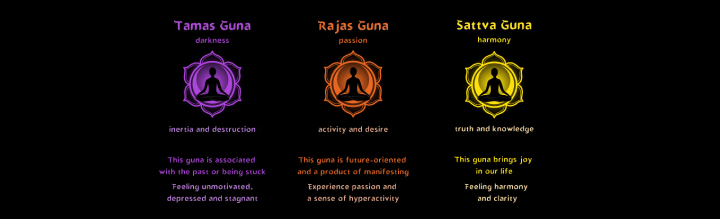
In the Bhagavad Gita, Lord Krishna introduces the concept of the three gunas, Sattva, Rajas, and Tamas, as fundamental qualities that influence human behaviour, thoughts, and tendencies. Understanding these three forces offers practical insight into our own patterns of thought, action, and emotion. By recognising which guna dominates our behaviour, we can take conscious steps toward balance, self-improvement, and personal growth, even amid the distractions and pressures of modern life.
The Gita teaches that while each person naturally exhibits a mix of the three gunas, cultivating awareness allows us to nurture positive qualities, reduce negativity, and live more consciously.
The Three Gunas Explained
-
- Sattva – The Quality of Purity and Harmony
Sattva represents clarity, wisdom, calmness, and balance. People dominated by Sattva tend to be thoughtful, ethical, compassionate, and motivated by higher ideals rather than personal gain. A sattvic mind is calm under pressure, patient, and inclined toward learning, reflection, and selfless action. - Rajas – The Quality of Activity and Passion
Rajas is characterised by energy, ambition, desire, and restlessness. People dominated by Rajas are often highly motivated, competitive, and driven to achieve goals. While this energy can create productivity and progress, excessive Rajas can also lead to stress, impatience, over-attachment, and agitation. - Tamas – The Quality of Inertia and Ignorance
Tamas manifests as lethargy, confusion, ignorance, or procrastination. People influenced by Tamas may feel stagnant, resistant to change, or lack clarity and focus. While necessary at times for rest and reflection, an excess of Tamas can hinder personal growth, decision-making, and responsible action.
- Sattva – The Quality of Purity and Harmony
Identifying Dominant Gunas in Modern Life
Modern life presents many challenges that activate different gunas at different times. By observing our behaviour and mental patterns, we can identify which guna is dominant and adjust accordingly.
Examples:
-
- Sattva: Calm problem-solving under pressure, ethical decision-making, mindfulness, altruism, and intellectual curiosity.
- Rajas: Ambition-driven work, multitasking, impatience, overthinking, competitive focus, and emotional reactivity.
- Tamas: Procrastination, avoidance, excessive sleep, confusion, negativity, or resistance to responsibility.
Recognising these patterns is the first step toward self-awareness and deliberate personal growth.
Cultivating Sattva for Balance and Growth
Sattva is considered the most conducive guna for clarity, peace, and spiritual growth. While it cannot be forced, Krishna teaches that Sattva can be nurtured through conscious lifestyle choices and habits:
-
- Mindful Diet and Lifestyle: Consuming wholesome, fresh food, regular exercise, and sufficient rest support clarity of mind and energy.
- Positive Environment: Surrounding yourself with uplifting people, inspiring ideas, and constructive work reduces agitation and negativity.
- Meditation and Reflection: Daily meditation, journaling, and contemplation strengthen awareness, patience, and calm.
- Ethical Behaviour: Acting with honesty, integrity, and compassion enhances harmony within and with others.
- Selfless Action: Performing duties without attachment or selfish desire reduces stress and fosters inner balance.
By cultivating Sattva, individuals can make thoughtful decisions, remain steady in the face of challenges, and align actions with purpose.
Managing Rajas: Harnessing Energy Without Chaos
Rajas is essential for ambition, creativity, and initiative, but excessive Rajas can create imbalance. Krishna advises moderation and conscious regulation:
-
- Channel Energy Constructively: Focus effort on meaningful goals rather than scattered or impulsive activities.
- Practice Detachment: Avoid over-attachment to outcomes and reduce emotional turbulence.
- Incorporate Rest and Reflection: Balance activity with periods of stillness to prevent burnout.
- Mindful Action: Engage in tasks with awareness to avoid reactive behaviour driven purely by desire or competition.
When balanced with Sattva, Rajas provides motivation and drive while maintaining ethical clarity and emotional stability.
Reducing Tamas: Overcoming Inertia and Confusion
Tamas can be useful for rest, reflection, and recovery, but excessive Tamas leads to stagnation and indecision. Krishna’s guidance encourages conscious effort to rise above tamasic tendencies:
-
- Maintain Discipline: Regular routines, exercise, and structured work reduce lethargy.
- Engage the Mind: Reading, learning, and mindful practice stimulate clarity and curiosity.
- Avoid Negative Influences: Minimise overconsumption of media, junk food, or toxic environments that reinforce inertia.
- Take Small Steps: Gradually addressing responsibilities prevents tamas from overwhelming motivation.
By recognising and reducing tamasic patterns, individuals can reclaim focus, energy, and clarity.
Practical Application in Modern Life
Awareness of the three gunas can be applied in numerous aspects of contemporary living:
-
- Work and Career: Identify whether your approach is productive and balanced (Sattva), overly driven and anxious (Rajas), or procrastinating (Tamas). Adjust habits and mindset accordingly.
- Relationships: Cultivate patience, understanding, and empathy (Sattva); avoid impulsive conflicts (Rajas); minimise withdrawal or avoidance (Tamas).
- Emotional Well-being: Use meditation, journaling, and self-reflection to shift towards Sattva and reduce tamasic or rajasic tendencies.
- Personal Growth: Pursue activities that inspire learning, creativity, and ethical living to strengthen Sattva while harnessing Rajas effectively.
By observing the interplay of the three gunas, individuals gain insight into patterns that hinder or support personal development, allowing intentional changes for a more harmonious life.
The Path to Balance
Krishna teaches that life is not about eliminating Rajas or Tamas entirely but integrating the three gunas consciously. Sattva should guide decision-making, Rajas can provide energy and ambition, and Tamas can offer rest and reflection when needed. Awareness and balance allow individuals to use each guna appropriately, rather than being dominated by destructive tendencies.
Practical strategies include:
-
- Daily Self-Reflection: Observe which guna dominates in thought, action, or emotion.
- Mindful Adjustments: Use Sattvic practices to reduce excessive Rajas or Tamas.
- Structured Routines: Combine activity, reflection, and rest to maintain harmony.
- Spiritual Practices: Meditation, ethical living, and selfless service nurture Sattva and support long-term balance.
Over time, cultivating this awareness leads to greater clarity, emotional stability, ethical behaviour, and personal growth.
Conclusion: Harnessing the Gunas for Personal Growth
The Bhagavad Gita presents Sattva, Rajas, and Tamas as a practical framework for understanding behaviour, motivation, and thought patterns. Krishna’s teachings encourage awareness of these forces and provide guidance on cultivating balance in all areas of life.
By nurturing Sattva, moderating Rajas, and reducing Tamas, modern individuals can:
-
- Improve emotional stability and resilience
- Make conscious, ethical decisions
- Maintain focus and clarity in work and relationships
- Cultivate inner peace and personal growth
Understanding the three gunas allows us to live consciously, respond wisely to challenges, and align our actions with higher purpose. This timeless wisdom remains remarkably relevant in modern life, helping individuals navigate complexity with balance, insight, and harmony.

Author: Spirit Connection
Welcome to Spirit Connection, your online sanctuary for spiritual growth, enlightenment, and transformation. Founded by me, Glynis Brits - a gifted clairvoyant medium, spiritual teacher, and life coach, my mission is to guide you on a journey of self-discovery, healing, and deeper connection with the spiritual realm. Here at Spirit Connection, I publish daily articles on all things spiritual, esoteric, and metaphysical, offering insights and wisdom to support your awakening. Whether you're looking to connect with your spirit guides, enhance your intuition, or explore the mysteries of the universe, I provide the tools and knowledge to help you navigate your path. Through private readings, spiritual coaching, and personalized guidance, I empower individuals to embrace their divine potential and align with their soul’s purpose. Whether you're seeking clarity, healing, or a deeper understanding of your spiritual journey, I am here to support you every step of the way. Join my community and awaken to the magic of the unseen world. Your journey to enlightenment starts here.