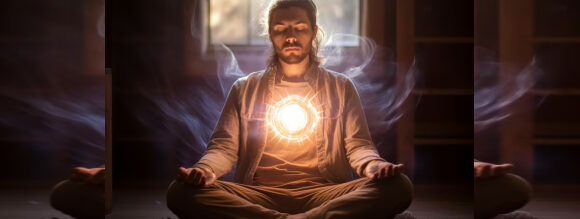
From Traditional Techniques to Modern Adaptations
Introduction
Meditation is one of the oldest known practices for cultivating awareness, inner peace, and self-understanding. While its roots are deeply embedded in ancient spiritual traditions, meditation has evolved significantly over time. Today, it is practised in many different forms, ranging from traditional disciplines to modern, science informed techniques used in everyday life.
This evolution reflects a broader shift in how people relate to spirituality, mental health, and personal development. Meditation is no longer limited to monasteries or formal spiritual paths. It has become accessible, adaptable, and integrated into diverse lifestyles across the world.
Origins of Meditation
Meditation has been practised for thousands of years across various cultures and spiritual traditions. Some of the earliest recorded forms come from ancient India, where meditation was part of broader spiritual systems such as yoga and Vedanta.
In these traditions, meditation was not seen as a relaxation technique alone. It was a path toward self-realisation, inner transformation, and liberation from suffering.
Other early forms of meditation can also be found in Buddhist, Taoist, and contemplative Christian traditions. Although the methods differed, the intention was often similar: to cultivate awareness, discipline the mind, and deepen spiritual understanding.
Traditional Meditation Practices
Traditional meditation practices are often structured, disciplined, and closely linked to spiritual teachings. Some of the most well-known include:
- Mantra meditation, where repeated sounds or phrases are used to focus the mind
- Vipassana meditation, which involves observing sensations and thoughts with awareness
- Zen meditation, which emphasises seated stillness and direct awareness of the present moment
- Loving kindness meditation, which focuses on cultivating compassion toward self and others
These practices often require consistency, guidance, and patience. They are designed not only to calm the mind but to transform perception and awareness over time.
The Purpose of Traditional Meditation
In traditional contexts, meditation is not primarily about relaxation. It is about insight and transformation. The goal is often to understand the nature of the mind, reduce attachment, and cultivate deeper awareness of reality.
This requires discipline and sustained practice. Progress is often gradual and deeply personal, unfolding over time rather than producing immediate results.
The Shift Toward Modern Meditation Practices
In recent decades, meditation has undergone significant adaptation. As interest in mental health, stress management, and wellbeing has grown, meditation has been integrated into mainstream culture in more accessible forms.
Modern meditation practices often focus on:
- Stress reduction
- Emotional regulation
- Improved focus and productivity
- Sleep improvement
- General wellbeing
This shift has made meditation more approachable for people who may not follow traditional spiritual paths.
Mindfulness as a Modern Adaptation
One of the most influential modern forms of meditation is mindfulness. Mindfulness involves paying attention to the present moment without judgement.
Unlike some traditional practices, mindfulness is often taught in a secular context. It is used in schools, workplaces, and healthcare settings as a tool for mental and emotional wellbeing.
Mindfulness encourages individuals to observe thoughts and emotions rather than becoming overwhelmed by them. This simple yet powerful approach has made meditation widely accessible.
Scientific Interest in Meditation
Another major factor in the evolution of meditation is scientific research. Studies in neuroscience and psychology have shown that regular meditation can influence brain activity, stress response, and emotional regulation.
Research has explored potential benefits such as:
- Reduced anxiety and stress levels
- Improved attention and focus
- Enhanced emotional resilience
- Changes in brain structure related to awareness and regulation
This scientific validation has contributed to meditation being adopted in medical and therapeutic environments.
Technology and Meditation
Technology has also played a significant role in modern meditation practices. Apps, online platforms, and guided audio sessions have made meditation more accessible than ever before.
People can now learn and practise meditation at home, at their own pace, without needing formal instruction. While this accessibility is beneficial, it also changes the nature of practice, often making it more casual and flexible.
Differences Between Traditional and Modern Approaches
While both traditional and modern meditation share common goals such as increased awareness and calmness, there are key differences.
Traditional meditation often involves:
- Long term discipline
- Spiritual context or philosophy
- Structured techniques
- Guidance from teachers
Modern meditation often involves:
- Short, flexible practices
- Secular or non-religious framing
- Focus on mental health and wellbeing
- Accessibility for daily life integration
Both approaches are valid, but they serve different purposes and contexts.
The Integration of Old and New
Today, many practitioners blend traditional and modern approaches. This integration allows individuals to benefit from ancient wisdom while also adapting practices to modern lifestyles.
For example, someone may use mindfulness techniques during the day and engage in deeper traditional meditation practices in dedicated sessions.
This blending reflects the evolving nature of spirituality in contemporary life.
Challenges in Modern Meditation Practice
While accessibility has increased, modern meditation also presents certain challenges. These include:
- Expectation of immediate results
- Lack of consistency or depth in practice
- Overemphasis on relaxation rather than awareness
- Misunderstanding meditation as a quick fix
Without proper understanding, meditation can sometimes be reduced to a productivity tool rather than a deeper practice of awareness.
The Importance of Intention
Regardless of the method used, intention plays a key role in meditation practice. The purpose behind meditation shapes the experience.
Some may approach meditation for relaxation, while others seek insight or emotional healing. Being clear about intention helps guide practice in a meaningful direction.
Meditation in Everyday Life
One of the most significant developments in modern meditation is its integration into daily life. Meditation is no longer limited to seated practice. It can be applied in everyday activities such as walking, working, or even communicating with others.
This approach encourages continuous awareness rather than separating meditation from daily experience.
The Future of Meditation Practices
As understanding of the mind continues to evolve, meditation is likely to become even more integrated into education, healthcare, and personal development.
Future trends may include:
- Greater blending of science and traditional wisdom
- Personalised meditation approaches
- Increased use in mental health treatment
- Expanded accessibility through technology
Despite these changes, the core purpose of meditation remains the same: cultivating awareness and understanding of the mind.
Conclusion
The evolution of meditation reflects a broader shift in how human beings relate to consciousness, wellbeing, and personal growth. From ancient spiritual disciplines to modern mindfulness practices, meditation has adapted to meet the needs of different times and cultures.
While methods may vary, the essence of meditation remains consistent. It is a practice of awareness, presence, and inner observation.
Whether approached traditionally or in a modern context, meditation continues to offer a pathway toward greater clarity, balance, and self-understanding in everyday life.

Author: Spirit Connection
Welcome to Spirit Connection, your online sanctuary for spiritual growth, enlightenment, and transformation. Founded by me, Glynis Brits - a gifted clairvoyant medium, spiritual teacher, and life coach, my mission is to guide you on a journey of self-discovery, healing, and deeper connection with the spiritual realm. Here at Spirit Connection, I publish daily articles on all things spiritual, esoteric, and metaphysical, offering insights and wisdom to support your awakening. Whether you're looking to connect with your spirit guides, enhance your intuition, or explore the mysteries of the universe, I provide the tools and knowledge to help you navigate your path. Through private readings, spiritual coaching, and personalized guidance, I empower individuals to embrace their divine potential and align with their soul’s purpose. Whether you're seeking clarity, healing, or a deeper understanding of your spiritual journey, I am here to support you every step of the way. Join my community and awaken to the magic of the unseen world. Your journey to enlightenment starts here.