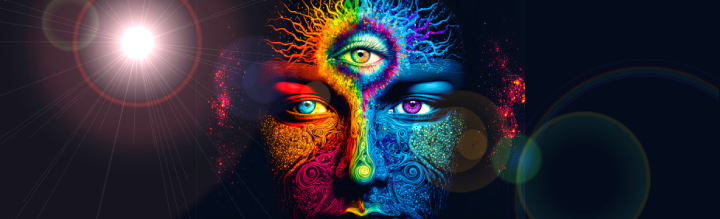
Myths, Truths, and Safe Practices for Expanding Perception
Introduction
The idea of the third eye has captured the imagination of spiritual seekers for centuries. Often associated with intuition, insight, and higher awareness, the third eye is believed to be an energetic centre located between the eyebrows. In many traditions, it is linked to perception beyond the physical senses and the ability to access deeper levels of understanding.
In modern spirituality, awakening the third eye is frequently discussed as a pathway to expanded consciousness. However, this topic is often surrounded by myths, exaggeration, and unrealistic expectations. A balanced approach is essential. True development of perception is not about dramatic experiences but about cultivating awareness, clarity, and grounded insight.
Understanding what the third eye represents and how to work with it safely can support both personal and spiritual growth.
What Is the Third Eye
The third eye is commonly associated with the sixth chakra, also known as the ajna centre in yogic traditions. It is linked to intuition, inner vision, and the ability to perceive patterns and meaning beyond surface appearances.
Rather than being a physical organ, the third eye symbolises awareness. It represents the capacity to observe thoughts, recognise deeper truths, and connect with inner guidance. In this sense, awakening the third eye is less about gaining new abilities and more about refining perception.
This perspective keeps the concept grounded. It shifts the focus from seeking extraordinary experiences to developing clarity and insight in everyday life.
Common Myths About the Third Eye
- Instant Enlightenment
One common belief is that opening the third eye leads to immediate enlightenment or constant heightened perception. In reality, spiritual growth is gradual. It involves consistent practice, self-awareness, and integration over time. - Seeing Visions or Supernatural Phenomena
While some people report visual or sensory experiences, these are not the goal of third eye development. Focusing solely on such outcomes can create distraction or unrealistic expectations. - Quick Techniques for Activation
There is no single method that instantly “opens” the third eye. Practices that promise rapid activation without preparation can lead to imbalance or confusion. A steady, grounded approach is far more effective. - Separation from Daily Life
Another misconception is that third eye awakening removes you from ordinary experience. In reality, it enhances your ability to engage with life more clearly and consciously.
The Truth About Expanding Perception
Awakening the third eye is best understood as expanding awareness. It involves developing the ability to observe thoughts, recognise patterns, and trust intuitive insight.
This process is subtle. It may show up as improved clarity in decision making, increased sensitivity to emotional dynamics, or a deeper understanding of personal patterns. These changes often unfold gradually, becoming more noticeable over time.
True perception is grounded. It supports practical living rather than replacing it. The aim is not to escape reality but to engage with it more fully and consciously.
Safe Practices for Third Eye Development
- Meditation
Meditation is one of the most effective ways to develop awareness. By sitting quietly and observing your thoughts, you create space for clarity and insight. Focusing gently on the area between the eyebrows can support concentration, but it should be done without strain. - Mindfulness
Being present in daily activities strengthens perception. Pay attention to your thoughts, emotions, and surroundings. This awareness builds the foundation for deeper insight. - Breath Awareness
Conscious breathing calms the nervous system and enhances focus. Slow, steady breathing supports mental clarity and creates a stable environment for intuitive awareness to develop. - Journalling
Writing down thoughts and experiences helps identify patterns and insights. Over time, this practice strengthens your ability to recognise intuitive guidance. - Balanced Lifestyle
Adequate rest, proper nutrition, and regular movement are essential. Physical wellbeing supports mental clarity and prevents imbalance during spiritual practices.
The Importance of Grounding
As awareness expands, grounding becomes increasingly important. Grounding refers to staying connected to your body and the present moment. It ensures that spiritual exploration remains balanced and integrated.
Simple grounding practices include walking in nature, engaging in physical activity, and focusing on sensory experiences such as touch or sound. These actions stabilise your energy and prevent overwhelm.
Without grounding, increased sensitivity can lead to confusion or emotional imbalance. Maintaining a connection to everyday life ensures that growth remains sustainable.
Recognising Signs of Development
Third eye development does not always appear in dramatic ways. Subtle changes are often more meaningful and sustainable. These may include:
- Greater clarity in thinking and decision making
- Increased awareness of thought patterns and habits
- Enhanced intuition and trust in inner guidance
- A deeper sense of presence and focus
These shifts reflect genuine growth. They support both personal development and spiritual awareness without creating unrealistic expectations.
Challenges on the Path
Developing perception can bring challenges. Increased awareness may reveal patterns or beliefs that require attention. This can feel uncomfortable but is part of the growth process.
Patience is essential. Progress may feel slow at times, and there may be periods of doubt or uncertainty. Consistent practice and a balanced approach help navigate these challenges.
It is also important to avoid comparison. Each person’s experience is unique, and focusing on others’ journeys can create unnecessary pressure.
Integrating Insight Into Daily Life
The purpose of expanding perception is not to escape daily responsibilities but to enhance how you engage with them. Insight becomes valuable when it is applied in practical ways.
For example, increased awareness of emotional patterns can improve communication and relationships. Clearer thinking supports better decision making in work and personal life.
Integration ensures that spiritual development remains relevant and beneficial. It connects inner awareness with outward action, creating a balanced and meaningful approach to growth.
Conclusion
Awakening the third eye is not about dramatic experiences or instant transformation. It is a gradual process of expanding awareness, refining perception, and deepening connection with your inner self.
By focusing on safe, grounded practices such as meditation, mindfulness, and self reflection, you can develop clarity and intuition in a balanced way. This approach supports both spiritual growth and practical living.
True insight is not separate from everyday life. It enhances your ability to navigate challenges, make decisions, and connect with others. By approaching third eye development with patience and discernment, you create a foundation for lasting awareness and meaningful transformation.

Author: Spirit Connection
Welcome to Spirit Connection, your online sanctuary for spiritual growth, enlightenment, and transformation. Founded by me, Glynis Brits - a gifted clairvoyant medium, spiritual teacher, and life coach, my mission is to guide you on a journey of self-discovery, healing, and deeper connection with the spiritual realm. Here at Spirit Connection, I publish daily articles on all things spiritual, esoteric, and metaphysical, offering insights and wisdom to support your awakening. Whether you're looking to connect with your spirit guides, enhance your intuition, or explore the mysteries of the universe, I provide the tools and knowledge to help you navigate your path. Through private readings, spiritual coaching, and personalized guidance, I empower individuals to embrace their divine potential and align with their soul’s purpose. Whether you're seeking clarity, healing, or a deeper understanding of your spiritual journey, I am here to support you every step of the way. Join my community and awaken to the magic of the unseen world. Your journey to enlightenment starts here.