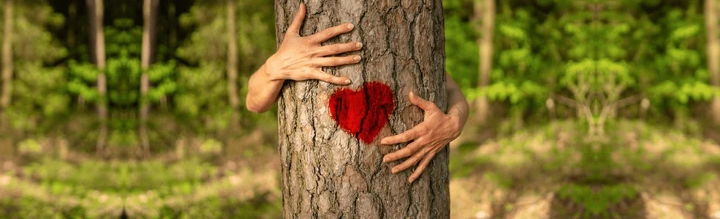
In a world filled with screens, schedules and constant stimulation, many people are rediscovering something simple that has always been available: nature.
Whether it is a walk through a park, time near the ocean, sitting under a tree, or simply noticing the sky, moments in nature often bring a sense of calm that is difficult to replicate elsewhere. This growing return to nature is not just a lifestyle preference. It reflects a deeper need for emotional balance, grounding and reconnection with something beyond the pace of modern life.
Why Nature Feels Restorative
Most people intuitively know that being in nature feels good, but there are reasons behind this experience. Nature offers:
• Slower sensory input compared to digital environments
• Rhythmic patterns such as waves, wind and seasonal change
• Reduced noise and cognitive stimulation
• A sense of space and openness
• Natural variation in light, sound and movement
These elements help the nervous system shift out of constant alertness and into a more relaxed state. In simple terms, nature gives the mind less to process and more room to rest.
Emotional Benefits of Spending Time in Nature
Time in nature is often associated with improved emotional wellbeing. People commonly report feeling:
• Calmer and more grounded
• Less anxious or mentally overwhelmed
• More emotionally balanced
• Less reactive to stress
• More present in the moment
One reason for this may be that nature provides a break from overstimulation. When the mind is not constantly processing information, emotional tension often softens naturally. Nature does not demand responses. It simply allows experience to unfold.
Nature and the Nervous System
From a physiological perspective, spending time in natural environments may support the body’s stress response system. When stress is high, the nervous system tends to remain in a heightened state of alertness. Over time, this can contribute to fatigue, irritability and difficulty focusing. Natural environments may help encourage a shift toward a calmer state, often associated with rest and recovery. Even short periods outdoors can create noticeable changes in how the body feels.
Mental Clarity and Focus
Nature can also support clearer thinking. Many people find that:
• Problems feel less overwhelming after a walk
• Thoughts become more organised
• Decisions feel easier to approach
• Creativity improves
This may be because nature reduces cognitive overload. Without constant input, the mind has space to process information more effectively. Instead of pushing for answers, clarity often emerges more naturally.
The Spiritual Dimension of Nature
Beyond emotional and mental benefits, nature has long been associated with spiritual awareness. Across many traditions and cultures, nature is seen as a place of connection, reflection and presence. People often describe feeling:
• A sense of peace or stillness
• Connection to something larger than themselves
• Increased awareness of life’s cycles
• A feeling of grounding or belonging
• Greater appreciation for simplicity
Nature invites attention into the present moment. It does not ask for productivity or performance. It simply exists, constantly changing yet always present.
Nature as a Mirror for Inner Experience
One of the reasons nature feels meaningful is that it often reflects internal states. For example:
• Storms may mirror emotional intensity
• Calm water may reflect inner stillness
• Changing seasons may reflect personal transitions
• Growth in plants may mirror personal development
While these are symbolic interpretations rather than literal truths, they can offer a language for understanding inner experiences. Nature becomes a gentle mirror for reflection rather than analysis.
Why Modern Life Disconnects Us From Nature
Many people spend most of their time indoors or in artificial environments. Over time, this can lead to:
• Reduced exposure to natural light
• Less movement and physical grounding
• Increased screen time and mental stimulation
• Disconnection from natural rhythms
• A sense of being “mentally full” but emotionally disconnected
When this becomes the norm, even short moments in nature can feel noticeably restorative. Simple Ways to Reconnect With Nature Reconnecting with nature does not require major lifestyle changes. Small, consistent practices can be just as meaningful.
1. Daily outdoor moments
Even a few minutes outside can help reset your attention. This might include standing in fresh air, walking around a block, or sitting quietly outdoors.
2. Mindful walking
Instead of walking with distraction, try noticing:
• The feeling of your feet on the ground
• The sounds around you
• The movement of air or light
• The rhythm of your breath
This brings awareness into the present moment.
3. Observe natural details
Pay attention to small elements such as leaves, clouds, birds or water movement. This shifts focus away from mental noise and into sensory awareness.
4. Create nature breaks during the day
Short pauses outdoors during work or busy periods can help regulate stress levels.
5. Bring nature into your space
Plants, natural light and organic materials can help create a more calming environment indoors.
Nature and Emotional Processing
Nature can also support emotional processing. When you are in a natural environment, there is often less pressure to “solve” emotions immediately. Instead, feelings can be observed without interference. This can create space for:
• Emotional release
• Reflection without judgement
• Reduced internal pressure
• Greater acceptance of experience
Sometimes clarity does not come from thinking more, but from stepping away long enough to allow emotions to settle.
The Importance of Slowness
Nature moves at a different pace than modern life. It does not rush. It does not multitask. It follows cycles rather than deadlines. This contrast can be deeply grounding. Being in nature can gently remind us that not everything needs immediate resolution. Some processes unfold in their own time.
A Gentle Practice for Connection
Try this simple practice:
1. Spend 5–10 minutes outside
2. Stand or sit comfortably
3. Take slow, natural breaths
4. Notice five things you can see
5. Notice four things you can feel
6. Notice three things you can hear
7. Notice two things you can smell
8. Notice one thing you appreciate in the moment
This helps anchor attention in the present.
A Final Thought
Nature does not ask for anything from us. It does not require achievement, explanation or effort. It simply offers space. In that space, many people find emotional ease, mental clarity and a quiet sense of connection that is often difficult to access in daily life. Whether through brief moments outdoors or longer periods in natural settings, reconnecting with nature can become a simple yet powerful way to support emotional and spiritual wellbeing. Sometimes, returning to yourself begins by simply stepping outside and noticing what is already there.

Author: Spirit Connection
Welcome to Spirit Connection, your online sanctuary for spiritual growth, enlightenment, and transformation. Founded by me, Glynis Brits - a gifted clairvoyant medium, spiritual teacher, and life coach, my mission is to guide you on a journey of self-discovery, healing, and deeper connection with the spiritual realm. Here at Spirit Connection, I publish daily articles on all things spiritual, esoteric, and metaphysical, offering insights and wisdom to support your awakening. Whether you're looking to connect with your spirit guides, enhance your intuition, or explore the mysteries of the universe, I provide the tools and knowledge to help you navigate your path. Through private readings, spiritual coaching, and personalized guidance, I empower individuals to embrace their divine potential and align with their soul’s purpose. Whether you're seeking clarity, healing, or a deeper understanding of your spiritual journey, I am here to support you every step of the way. Join my community and awaken to the magic of the unseen world. Your journey to enlightenment starts here.